
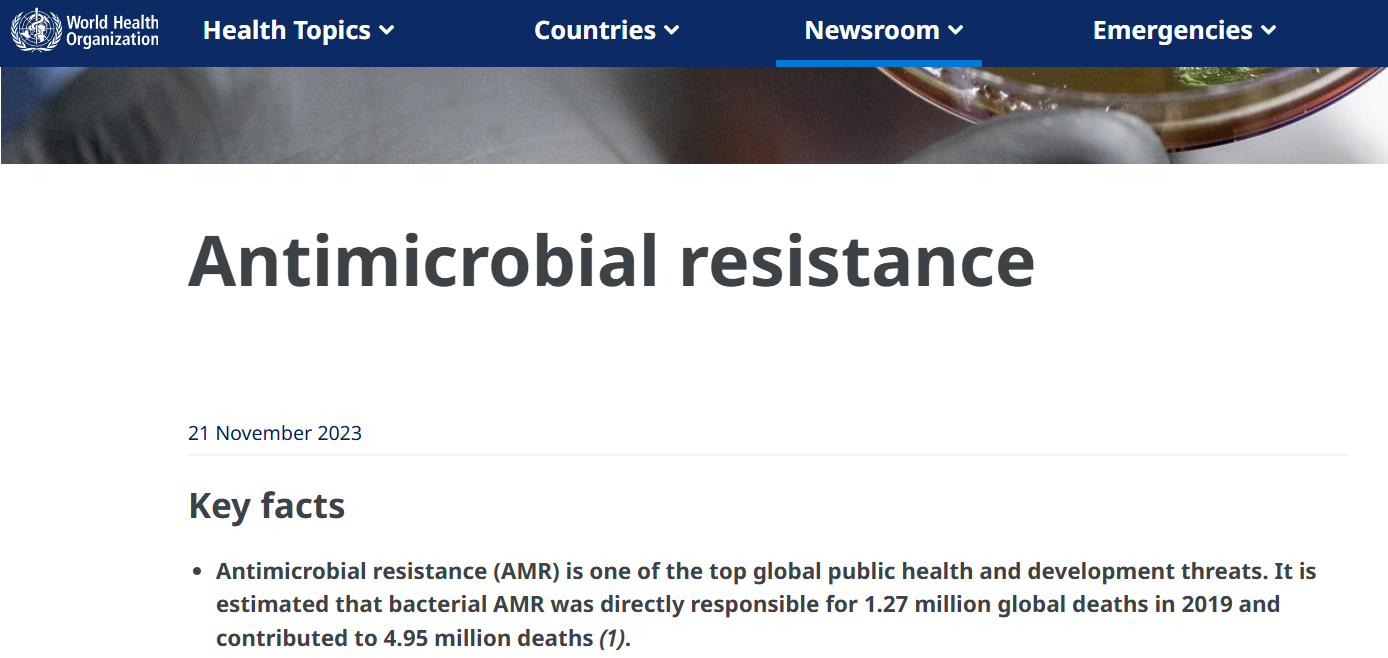
A recent landmark study published in The Lancet revealed a sobering reality: 1.27 million deaths in 2019 were directly attributable to antimicrobial resistance (AMR). Even more alarming, 73% of these deaths were caused by just six pathogens:
1.Escherichia coli
2.Staphylococcus aureus
3.Klebsiella pneumoniae
4.Streptococcus pneumoniae
5.Acinetobacter baumannii
6.Pseudomonas aeruginosa
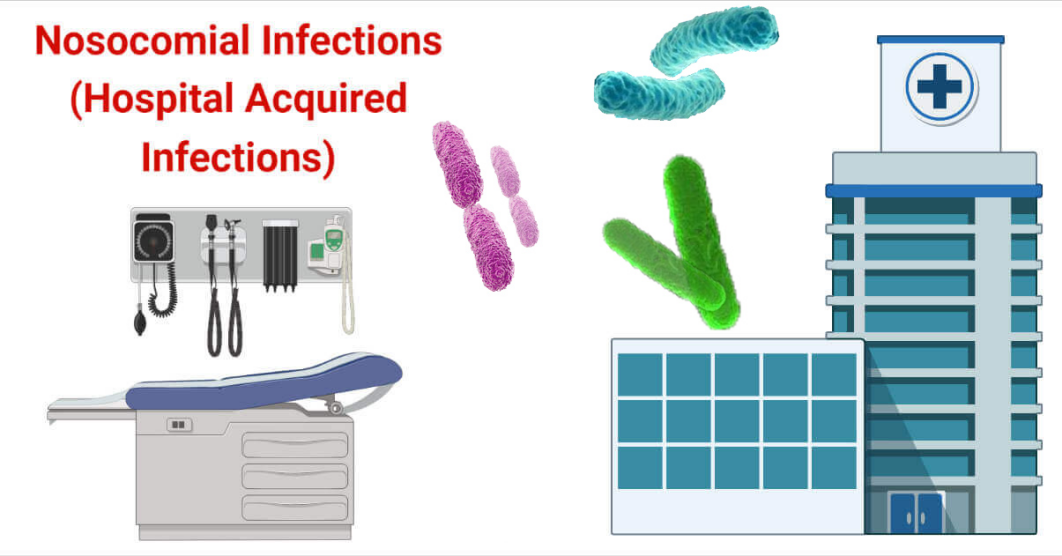
Among them, Klebsiella pneumoniae (KPN), Acinetobacter baumannii (Aba), and Pseudomonas aeruginosa (PA) stand out as major contributors to hospital-acquired infections and multi drug resistance. These pathogens are increasingly resistant to carbapenems—our last line of defense—posing a serious global health threat.
Understanding KPN, Aba, and PA
-Klebsiella pneumoniae (KPN)
KPN is a common opportunistic pathogen and a leading cause of hospital acquired infections. When host immunity is compromised, it can invade through the respiratory tract, causing pneumonia, bloodstream infections, and sepsis.Particularly concerning is the hypervirulent hvKp ST23 strain, which often carries carbapenemase genes such as KPC, NDM, OXA-48, and IMP, making treatment extremely challenging.
-Acinetobacter baumannii (Aba)
Aba is a highly resilient hospital pathogen capable of surviving on surfaces for extended periods. It is a major cause of ventilator-associated pneumonia (VAP) and ICU-related infections.Its exceptional ability to acquire resistance genes has made it one of the most dangerous multidrug-resistant (MDR) organisms, with carbapenem resistance exceeding 50% in some regions.
-Pseudomonas aeruginosa (PA)
PA is a non-fermenting Gram-negative bacterium responsible for lower respiratory tract infections, especially in immunocompromised patients.Its adaptability, rapid mutation rate, and biofilm-forming capability make infections difficult to eradicate. Carbapenem-resistant PA (CRPA) remains a persistent global clinical challenge.
How These Pathogens Spread
MDR pathogens primarily spread through:
-Hospital environments: contaminated equipment, surfaces, and healthcare workers’ hands
-Direct contact: infected patients or asymptomatic carriers
-Respiratory droplets: especially for pneumonia-related strains
-Invasive procedures: ventilators, catheters, and surgical devices
Challenges in Treatment
-Carbapenem Resistance
Carbapenems are considered last-resort antibiotics. The emergence of carbapenemase-producing bacteria has severely limited their effectiveness.
-Limited Therapeutic Options
-Polymyxins (e.g., colistin): effective but highly toxic
-Tigecycline: limited indications
-New agents (cefiderocol, sulbactam-durlobactam): promising but limited availability
Prevention and early detection are now more critical than ever.
The Need for Rapid and Accurate Detection
These pathogens account for a significant share of AMR-related deaths worldwide, highlighting the urgent need for fast, reliable diagnostics to guide appropriate therapy.
Early Detection Saves Lives
To address this urgent clinical need, Macro & Micro-Test’s KPN, Aba, PA & Drug Resistance Genes Multiplex Detection Kit provides a powerful solution.
An innovative solution, Macro & Micro-Test’s Multiplex Detection Kit, enables simultaneous identification of KPN, Aba, PA, and key carbapenemase genes-KPC, NDM, OXA-48, and IMP.
Key Advantages:
- Direct detection from sputum samples, eliminating lengthy culture processes.
- High specificity and sensitivity (LoD: 1000 CFU/mL) for accurate results.
- Rapid turnaround time—results in just 35-50 minutes.
- Compatible with mainstream PCR systems, ensuring broader accessibility.
A Call to Action: Strengthening the Fight Against Superbugs
Advanced Multiplex Detection Kits by Macro & Micro-Test provide a crucial advantage in identifying resistant pathogens swiftly and accurately, enables proactive surveillance, rapid diagnostics, and targeted treatment strategies, which ultimately improves patient outcomes and controlling the spread of antibiotic resistance.
Contact if interested: marketing@mmtest.com
Post time: Jan-08-2026