
Why Fecal Occult Blood Matters
Colorectal cancer is one of the leading causes of cancer-related morbidity and mortality worldwide. Most colorectal cancers develop gradually from precancerous polyps over several years, creating a valuable window for early detection and intervention.
One of the earliest warning signs is fecal occult blood (FOB)—small amounts of blood in stool that are invisible to the naked eye. Occult bleeding may result from a variety of gastrointestinal conditions, including:
- · Colorectal adenomas and polyps
- · Colorectal cancer
- · Gastric and duodenal ulcers
- · Inflammatory bowel disease
- · Other gastrointestinal lesions
Because many patients remain asymptomatic during the early stages, detecting occult blood has become an essential component of population-based colorectal cancer screening.
The Global Burden of Colorectal Cancer
According to the International Agency for Research on Cancer (IARC) GLOBOCAN 2022), colorectal cancer ranks the third most frequently diagnosed cancers worldwide and remains a second most common cause of cancer death.
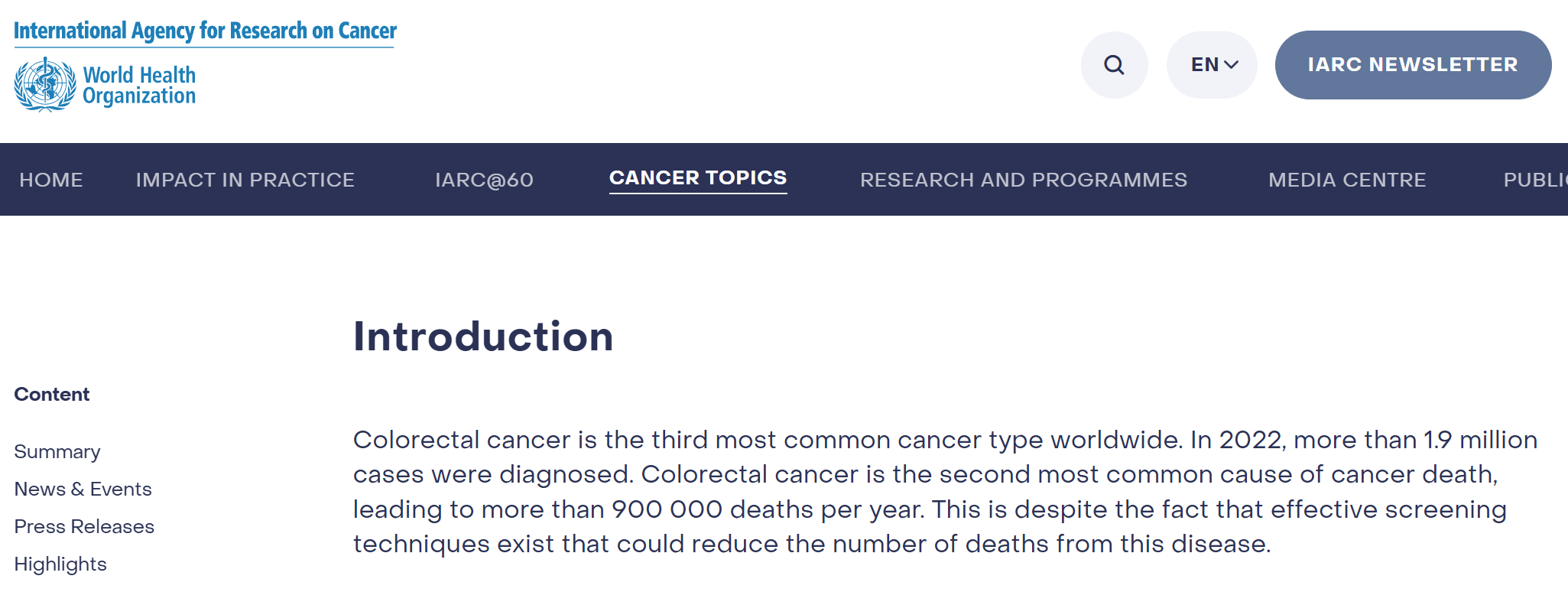
The encouraging news is that colorectal cancer is highly preventable and treatable when detected early. Localized disease has a five-year survival rate exceeding 90%, whereas advanced metastatic disease is associated with substantially poorer outcomes. Regular screening therefore plays a critical role in reducing both CRC incidence and mortality.
FIT: The Preferred Method for Fecal Occult Blood Detection
Historically, fecal occult blood testing relied on chemical guaiac-based methods (gFOBT), which detect the peroxidase activity of hemoglobin. However, these tests may be affected by dietary factors, certain medications, and non-human hemoglobin, leading to false-positive results.
Today, Fecal Immunochemical Testing (FIT) has become the preferred screening method in many national colorectal cancer screening programs.
Compared with traditional chemical tests, FIT offers several important advantages:
- · High specificity by detecting human hemoglobin with monoclonal antibodies
- · No dietary restrictions before testing
- · Improved patient compliance due to simple sample collection
- · Greater sensitivity for lower gastrointestinal bleeding, making it particularly effective for colorectal cancer screening
These advantages have established FIT as the first-line non-invasive screening method in many countries.
International Screening Recommendations
Major international organizations recommend regular colorectal cancer screening for average-risk adults.
- · USPSTF recommends screening adults aged 45–75 years, with annual FIT as one of the recommended screening strategies.
- · American Cancer Society (ACS) also recommends beginning regular screening at 45 years of age.
- · European colorectal cancer screening guidelines support organized FIT-based screening programs, typically every two years for adults aged 50–74 years.
Regardless of the screening strategy, individuals with a positive FIT result should undergo diagnostic colonoscopy for further evaluation and confirmation of colorectal lesions
What Makes a High-Quality FIT Test?
When selecting a fecal occult blood test, healthcare professionals and users should consider several key characteristics:
- · High analytical sensitivity for detecting low concentrations of human hemoglobin
- · High specificity to minimize false-positive results
- · Hygienic and convenient sample collection
- · Stable performance with room-temperature storage
- · Simple workflow that supports both home use and professional settings
Macro & Micro-Test Fecal Occult Blood Test Kit (Colloidal Gold)
Macro & Micro-Test has developed a Fecal Occult Blood Test Kit (Colloidal Gold) based on immunochromatographic technology, providing a rapid, convenient, and hygienic solution for colorectal cancer screening.
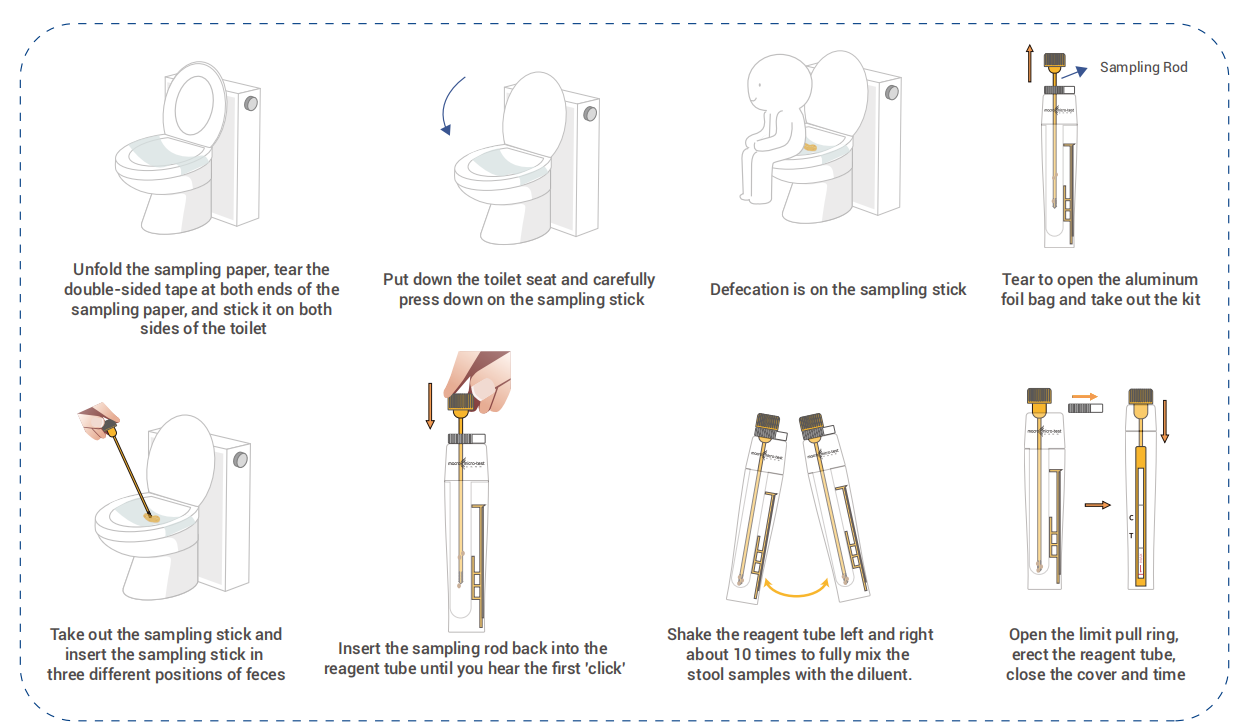
Key features include:
- · Rapid qualitative results in 5–10 minutes
- · Analytical sensitivity of 40 ng/mL human hemoglobin
- · Immunological detection technology, minimizing interference from diet and medications
- · Innovative integrated sampling tube for cleaner, more hygienic specimen collection than conventional cassette-based designs
- · Suitable for both self-testing and professional use
- · Room-temperature storage (4–30°C) with a shelf life of up to 24 months
Designed to improve accessibility and user experience, the kit supports convenient screening while maintaining reliable analytical performance.
Early detection saves lives. By making colorectal cancer screening simpler and more accessible, FIT testing can help identify disease before symptoms appear, enabling earlier clinical intervention and better patient outcomes.
Learn more about the Macro & Micro-Test Fecal Occult Blood Test Kit:
Post time: Jul-17-2026