
Traditional Culture Takes Too Long — Patients Cannot Wait
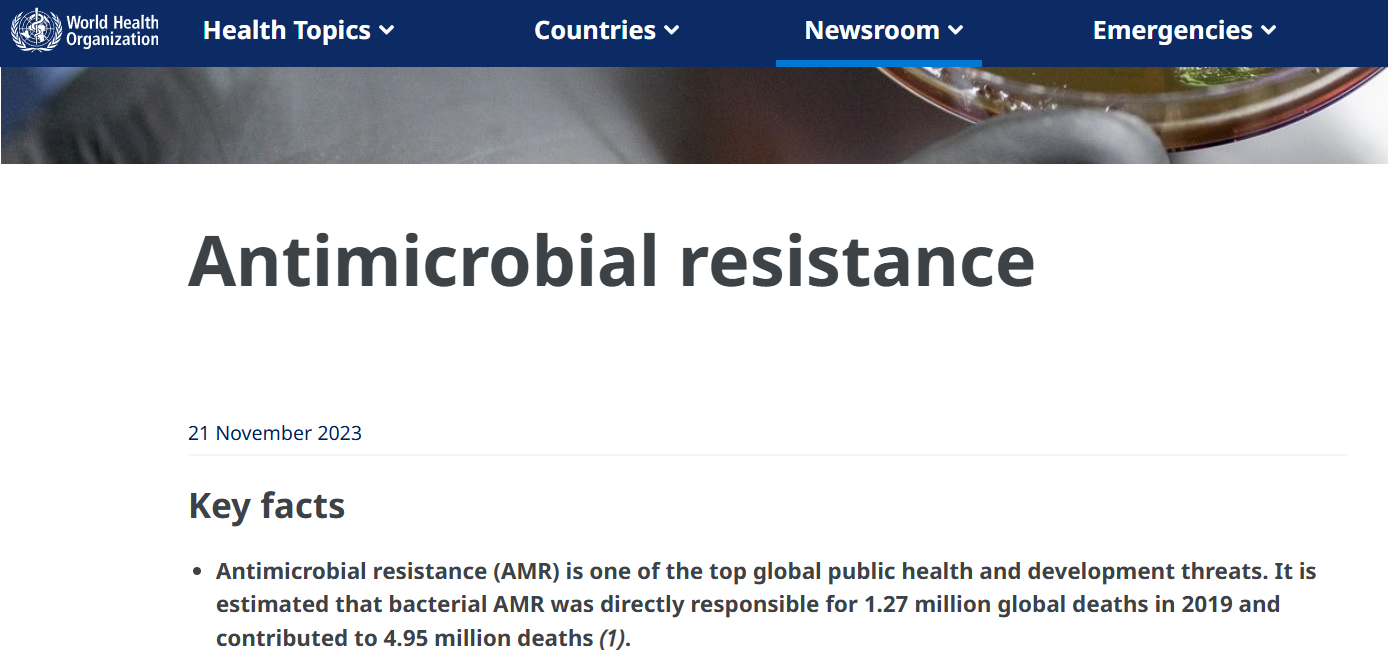
In clinical practice, bacterial culture and antimicrobial susceptibility testing typically require 48–72 hours to deliver results.For critically ill patients, however, those 72 hours can mean the difference between life and death.
What often happens in reality:
-Physicians must start empirical antibiotic therapy.
-If the initial treatment is ineffective, infection continues to worsen.
-By the time results return, patients may already develop sepsis, organ failure, or even die.
Delayed diagnosis is a key driver of high mortality in drug-resistant infections.
MRSA: One of the Deadliest “Time Killers”
Among resistant pathogens, Methicillin-Resistant Staphylococcus aureus (MRSA) is especially dangerous.
According to The Lancet (2024):
-MRSA-related deaths have more than doubled since 1990
-130,000 people died directly from MRSA infections in 2021
MRSA is resistant to methicillin, penicillin, and cephalosporins, leaving clinicians with limited treatment options.
When therapy is delayed, patient conditions can deteriorate within days or even hours.
From Mild Skin Infection to Fatal Sepsis — In Days
MRSA infections often start subtly:Redness, swelling, abscesses on the skin.
But without timely intervention, they can rapidly progress to:
-Bacteremia
-Severe pneumonia
-Endocarditis
-Septic shock
Waiting for culture results often means losing the critical treatment window.
Who Is Most at Risk?
The following populations simply cannot afford to wait:
-Hospitalized patients (ICU, post-surgery, chemotherapy)
-Elderly individuals in long-term care facilities
-Newborns and children
-Patients with chronic diseases (diabetes, HIV, immunodeficiency)
-Healthcare workers with high exposure risk
In some regions, MRSA accounts for over 68% of all Staphylococcus aureus infections.
The Turning Point: From Waiting to Immediate Diagnosis
AIO 800+ SA & MRSA True Sample-to-Answer Molecular Testing change the game:
Identify pathogens before deterioration to Guide precise treatment decisions
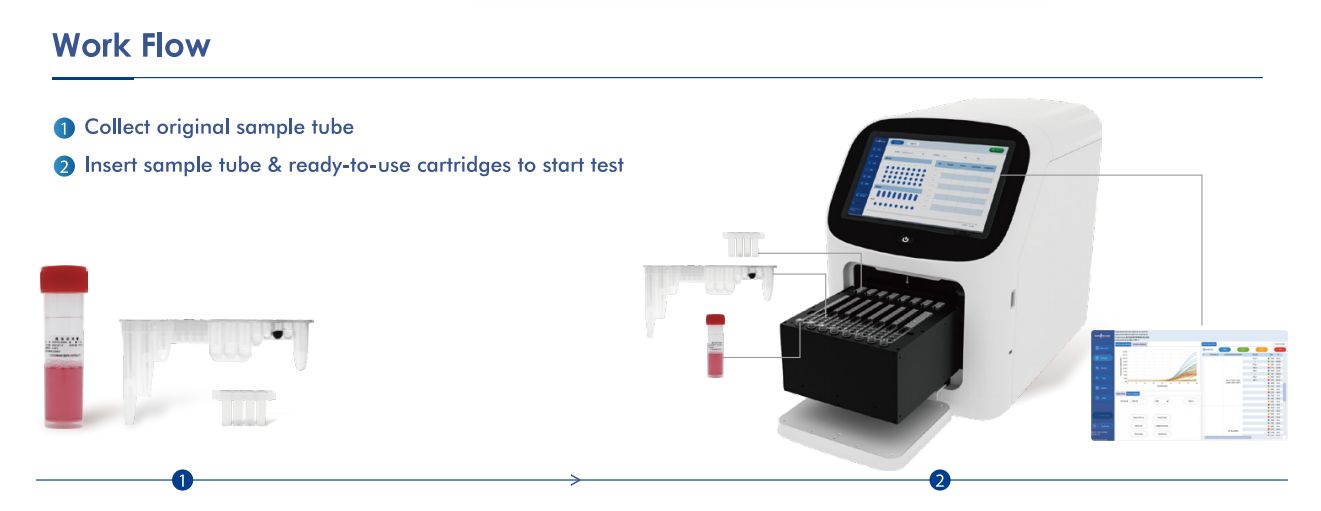
This fully automated POCT solution delivers:
Key Benefits of Advanced Detection
- Multiple Sample Compatibility: The kit works with various sample types including sputum, skin and soft tissue infections, and nasal swabs;
- Fully Automated Workflow: Minimize hands-on time and avoid human error with direct loading from original sample tubes (1.5mL–12mL).making it suitable for diverse settings—from clinics and labs to low-resource environments.
- High Sensitivity: Detects low bacterial levels (as low as 1000 CFU/mL) for both S. aureus and MRSA.
- Rapid Results: Provides timely information crucial for clinical decision-making.
- Dual Reagent Formats: Liquid & lyophilized options overcome storage/transport challenges.
- Built-in Safety: 11-layer contamination control system featuring UV, HEPA, and paraffin sealing and more.
- Universal Compatibility: Works with AIO800 and mainstream PCR systems.
Fighting MRSA Starts with Beating the Clock
Combating antimicrobial resistance requires:
-Faster diagnostics
-Smarter antibiotic use
-Strong infection control
-Global collaboration
In MRSA management, time is the most critical medicine.
Ready to stop waiting 72+ hours for answers?
Contact: marketing@mmtest.com
Watch AIO800 in action:
Post time: Jan-13-2026