
From early clinical recognition to laboratory confirmation and genomic analysis, strengthening measles surveillance is essential in an era of renewed outbreaks and cross-border transmission.
Measles remains one of the most contagious vaccine-preventable diseases. Despite progress toward elimination in many countries, declining vaccination coverage and imported infections continue to create opportunities for renewed transmission.
In 2026, measles outbreaks have drawn renewed attention in the United States, Japan, and other countries. These developments highlight the importance of early case detection, laboratory preparedness, and effective public health surveillance.
1.A Global Resurgence: Why Preparedness Matters
Recent developments highlight the continued risk of measles transmission:
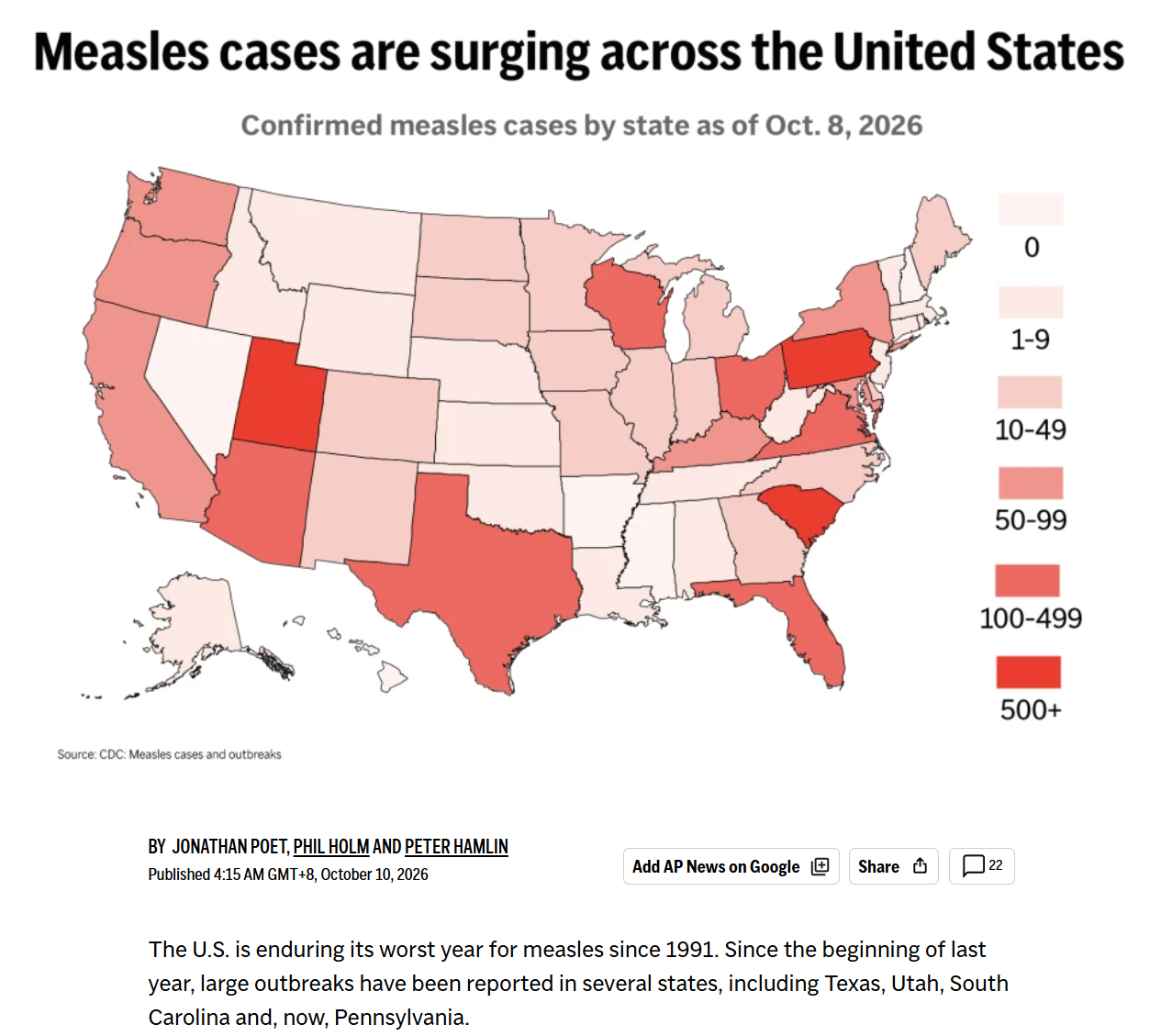
United States: As of October 8, 2026, the CDC had reported 4,080 confirmed measles cases nationwide.
Japan: Measles cases reported in 2026 have prompted continued surveillance of domestic transmission and imported infections.
Global surveillance: WHO-reported cases demonstrate that measles remains a public health concern despite progress toward elimination.
These developments reinforce an important point: measles elimination does not eliminate the risk of imported infections. Vaccination, early diagnosis, and laboratory surveillance remain essential for outbreak preparedness.
2. Clinical Recognition and Laboratory Diagnosis
2.1 Recognizing Early Clinical Signs
The incubation period typically averages 11–12 days from exposure to initial symptoms. Early symptoms commonly include fever, cough, coryza (runny nose), and conjunctivitis.
Koplik spots, small white lesions inside the mouth, may appear before the characteristic rash and provide an important clinical clue.
The rash usually develops around 3–5 days after the initial symptoms, beginning on the face or hairline before spreading downward across the body.
Because these symptoms can resemble other illnesses, clinical findings should be assessed alongside vaccination history, exposure history, and laboratory results.
2.2 Laboratory Confirmation: A CDC-Based Approach
According to CDC guidance, laboratory confirmation is essential for sporadic measles cases and outbreaks. The main diagnostic methods are measles-specific IgM serology and real-time reverse transcription polymerase chain reaction (RT-PCR).
Serological testing: Measles-specific IgM can support the diagnosis of recent infection. However, IgM may be undetectable during the first few days after rash onset, so early negative results require careful interpretation.
Molecular testing: Detection of measles virus RNA by RT-PCR can provide laboratory confirmation. Respiratory specimens, such as nasopharyngeal or throat swabs, are preferred.
Vaccination history: Recent measles-containing vaccination can complicate the interpretation of clinical and laboratory findings. Additional testing or genotyping may help distinguish vaccine-associated findings from wild-type infection.
For suspected cases, CDC recommends collecting appropriate respiratory and blood specimens promptly and coordinating testing with public health authorities.
Routine diagnosis and genomic sequencing serve different purposes. RT-PCR and serology help establish whether measles infection is present, while subsequent genetic analysis provides additional information for virus characterization and public health surveillance.
2.3 Isolation and Post-Exposure Prevention
There is no specific antiviral treatment routinely used to cure measles. Management focuses on supportive care and monitoring for complications.
Under CDC guidance, patients should generally remain isolated for four days after rash onset, with the rash-onset day counted as day zero. Patients with immunocompromising conditions may require longer isolation. After exposure, prompt assessment is important:
Within 72 hours: MMR vaccination may be recommended for eligible susceptible individuals.
Within six days: Immune globulin may be recommended for certain susceptible contacts at increased risk of severe disease or those who cannot receive a live vaccine.
Eligibility and clinical management should follow current public health guidance. Early recognition, appropriate isolation, and timely intervention are essential to limiting transmission.
3. From Clinical Diagnosis to Genomic Surveillance
Clinical recognition and laboratory confirmation identify cases, while genomic analysis provides additional information for outbreak investigation and public health surveillance.
The CDC identifies measles virus molecular epidemiology as an important component of outbreak investigations and global surveillance. Genotyping can help investigate potential connections between cases, distinguish vaccine strains from wild-type viruses, and support investigations of imported infections.
Whole-genome sequencing (WGS) provides more genetic information than analysis of a limited genomic region. This additional resolution may help distinguish closely related viral strains when routine genotyping is insufficient.
4. Field Evaluation: Macro & Micro-Test Multiplex Amplicon Sequencing Solution
In a recent evaluation, a public health laboratory in China used Macro & Micro-Test’s multiplex amplification sequencing solution to perform whole-genome sequencing on six samples collected from suspected measles cases.
The reported results were as follows.
Sequencing quality
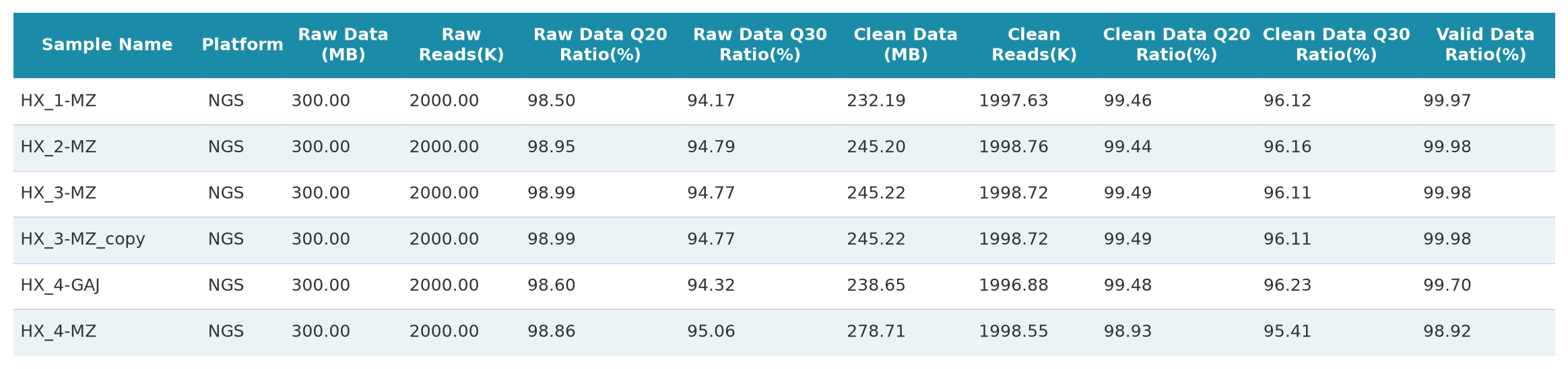
The evaluation generated approximately 300 MB of raw sequencing data, with over 99% effective data and Q30 scores above 95%.
Genotype identification
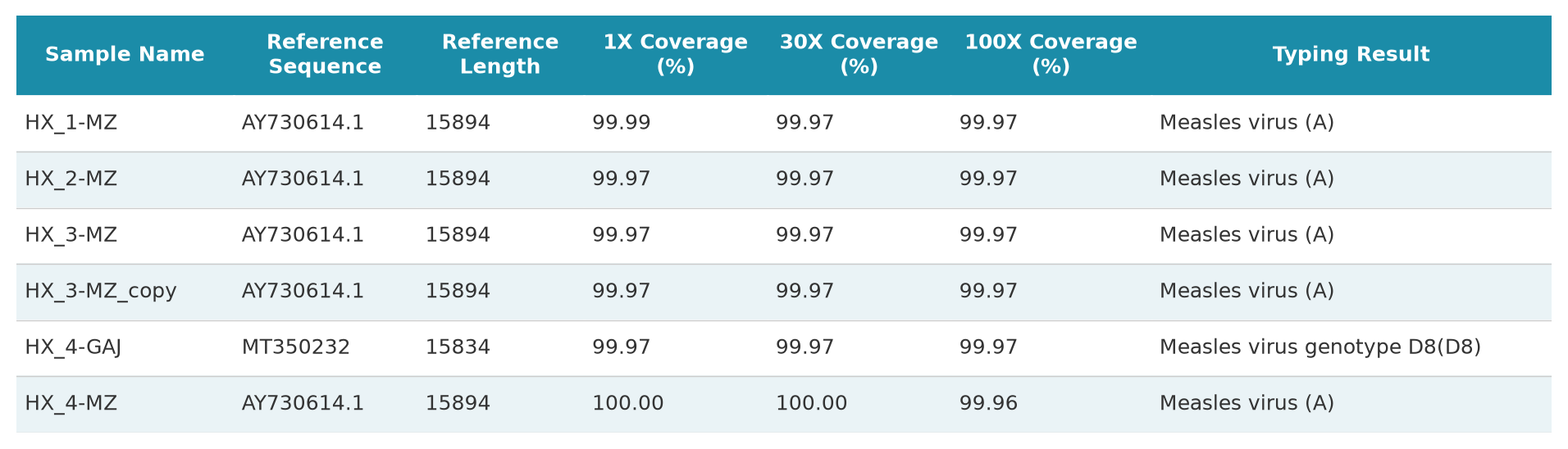
The analysis enabled the reported identification of measles virus genotypes in the tested samples. These findings provide genetic information relevant to further virus characterization and molecular epidemiological analysis.
Sequencing depth and genome coverage
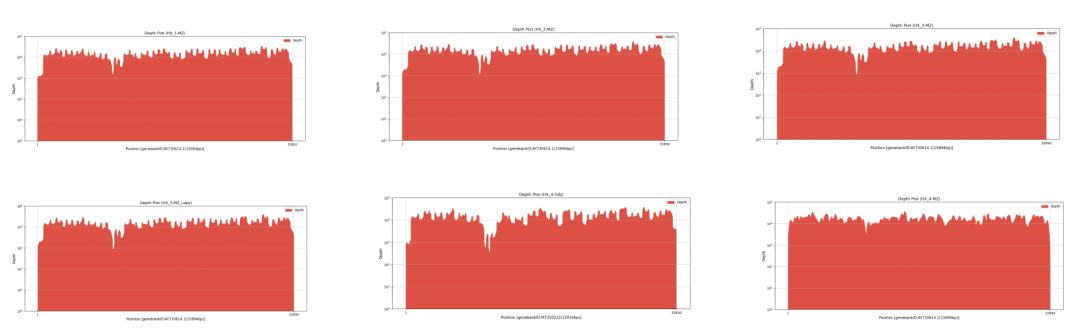
1× coverage: Above 99.97%; 30× coverage: Above 99.97%; 100× coverage: Above 99.96%.
5. Supporting Laboratory Preparedness with Macro & Micro-Test
As measles transmission continues to challenge public health systems, laboratories need appropriate tools for timely pathogen identification and molecular characterization.
Macro & Micro-Test offers solutions for measles nucleic acid detection and genomic analysis, including fluorescence PCR kits and whole-genome enrichment kits based on multiplex amplification or probe capture for Illumina and MGI platforms.
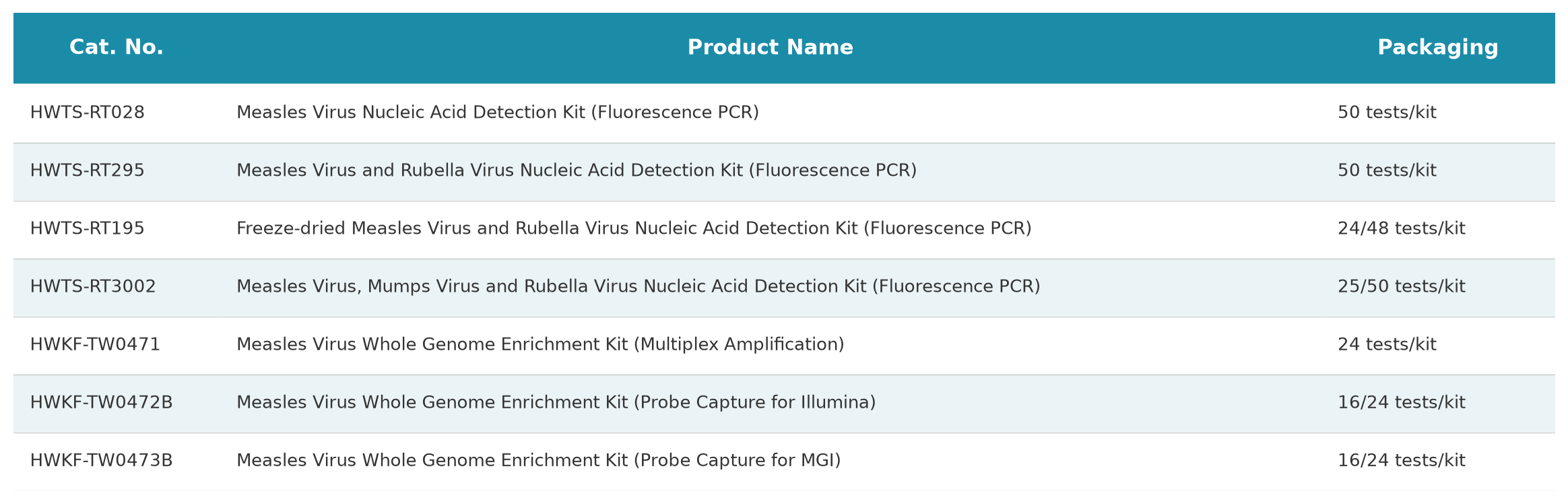
Together, these solutions support routine testing and further molecular characterization formeasles surveillance.
Precise Diagnosis Shapes A Better Life.
Post time: Oct-12-2026