
Lung cancer continues to pose a major challenge to global public health. According to the World Health Organization (WHO), the latest global estimates for 2024 indicate approximately 2.6 million new lung cancer cases and 1.86 million deaths, making lung cancer the most commonly diagnosed cancer and the leading cause of cancer-related mortality worldwide.
Despite advances in prevention, screening, and treatment, many patients are still diagnosed at advanced stages, when treatment options may be more limited. Raising awareness of risk factors, recognizing potential warning signs, and improving access to timely and accurate diagnosis remain essential to reducing the global burden of lung cancer.
During Lung Cancer Awareness Month 2026, let’s take a closer look at the journey from risk awareness to precision diagnosis, and explore how molecular testing contributes to more personalized lung cancer care.
1. Understanding Lung Cancer Risk Factors
Lung cancer develops when abnormal cells in lung tissue grow uncontrollably. Although tobacco smoking remains its leading risk factor, lung cancer is not limited to smokers. People who have never smoked can also develop the disease.
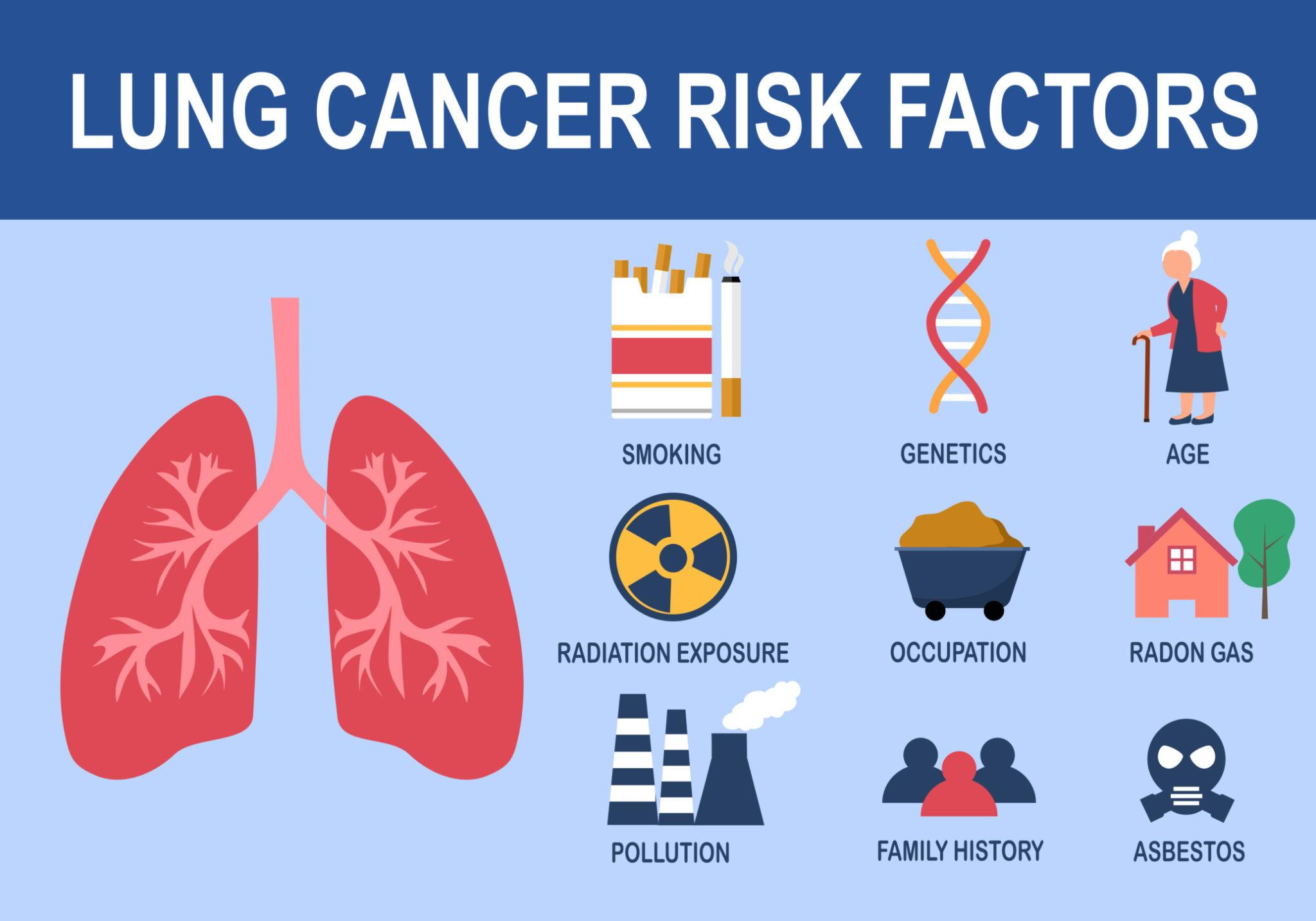
Exposure to secondhand smoke, outdoor and indoor air pollution, occupational carcinogens such as asbestos and silica, and radon are also recognized risk factors. Family history and genetic susceptibility may further contribute to an individual’s risk.
Understanding these factors is an important first step toward prevention. Avoiding tobacco, reducing exposure to environmental and occupational hazards, and being aware of personal risk can all help reduce the likelihood of developing lung cancer.
Importantly, the absence of known risk factors does not eliminate the possibility of lung cancer. Awareness and appropriate medical evaluation remain important for everyone.
2. Recognizing Warning Signs and the Importance of Early Detection
One of the challenges in lung cancer management is that early-stage disease may cause few or no noticeable symptoms. When symptoms do appear, they can sometimes resemble common respiratory conditions, making them easy to overlook.
A persistent or worsening cough, coughing up blood, chest pain, shortness of breath, unexplained weight loss, and ongoing fatigue are among the potential warning signs. Recurrent respiratory infections may also warrant further medical evaluation.
These symptoms do not necessarily indicate lung cancer. However, persistent or unexplained changes should not be ignored, and timely medical assessment is important.
For individuals at increased risk, low-dose computed tomography (LDCT) screening may be recommended according to relevant clinical guidelines and eligibility criteria. LDCT has demonstrated value in detecting lung cancer at earlier stages in appropriately selected high-risk populations.
When an abnormality is identified, further diagnostic evaluation may involve imaging, bronchoscopy, tissue sampling, and pathological examination. Establishing the diagnosis and determining the cancer subtype are essential steps in developing an appropriate treatment strategy.
3. Beyond Histopathology: The Growing Role of Molecular Testing
Pathological examination plays a central role in confirming lung cancer and identifying its histological subtype. However, understanding the molecular characteristics of a tumor provides another important dimension for treatment planning.
This is particularly relevant in non-small cell lung cancer (NSCLC), where specific genetic mutations and gene fusions may be associated with available targeted therapies. Molecular testing helps identify these alterations, providing biomarker information that supports clinicians in evaluating treatment options and making informed therapeutic decisions.
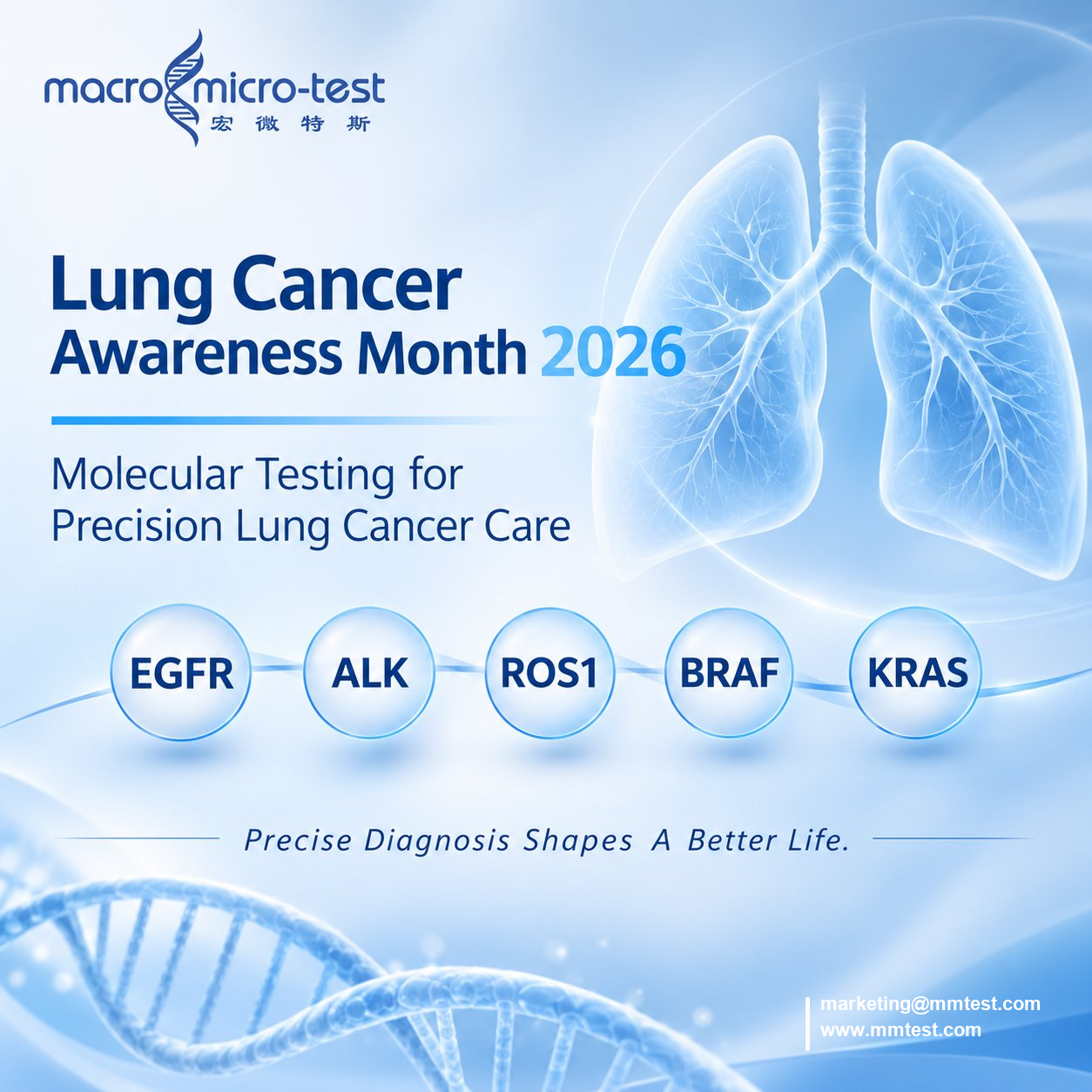
Among the important molecular biomarkers in NSCLC are EGFR, ALK, ROS1, BRAF, and KRAS.
EGFR mutations, including exon 19 deletions and L858R, are important biomarkers associated with targeted treatment options. The T790M mutation is also clinically relevant, particularly in the context of acquired resistance to certain EGFR-targeted therapies.
ALK and ROS1 gene fusions represent other important molecular alterations that may guide targeted treatment selection. Meanwhile, BRAF V600E and KRAS mutations provide additional biomarker information relevant to therapeutic assessment.
As precision oncology continues to evolve, molecular profiling has become an increasingly important component of comprehensive lung cancer management. Depending on the clinical setting, testing strategies may include single-gene assays or broader molecular panels. PCR-based assays offer targeted detection of specific genetic alterations and can serve as an important part of the molecular testing workflow.
4. Macro & Micro-Test: PCR-Based Solutions for Lung Cancer Molecular Detection
Macro & Micro-Test offers PCR-based molecular detection solutions covering five key lung cancer-associated targets: EGFR (29 mutations), EML4-ALK (12 fusion variants), ROS1 (14 variants involving codons 32, 34, 35 and 36), BRAF (V600E), and KRAS (8 mutations at codons 12 and 13)
.
This portfolio provides targeted molecular testing options to support the identification of key genetic alterations in lung cancer and contribute to informed treatment decisions.
5. Moving Toward More Informed Lung Cancer Care
Lung cancer awareness involves more than recognizing symptoms. It also means understanding risk, encouraging appropriate screening and timely diagnosis, and recognizing the importance of molecular information in treatment planning.
From prevention and early detection to pathological examination and molecular profiling, each step contributes to a more comprehensive approach to lung cancer management.
As diagnostic technologies continue to advance, molecular testing plays an increasingly valuable role in precision medicine. By identifying key genetic alterations, molecular diagnostics help connect laboratory findings with clinical decision-making and support the development of more personalized treatment strategies.
This Lung Cancer Awareness Month, Macro & Micro-Test joins the global effort to raise awareness and support better lung cancer care through targeted molecular diagnostic solutions.
Precise Diagnosis Shapes A Better Life.
Post time: Nov-04-2026