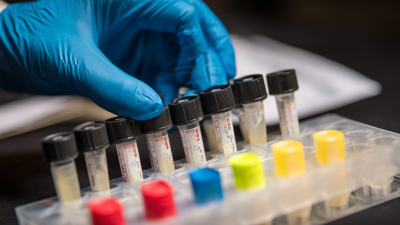
Today, global buyers are looking for more than just low prices and quick delivery promises. When it comes to Combo Covid Test Kits, these products can actually support broader respiratory testing—especially since COVID-19 symptoms often look a lot like the flu or RSV infections. But here’s the thing: what each kit claims can vary a lot depending on where you’re buying. Some require nasal swabs, while others need professional collection or lab confirmation—so it’s not a one-size-fits-all situation.
The WHO keeps updating us on COVID-19’s various waves and the uneven way different countries report cases. That uncertainty makes it super important to verify what you’re actually getting. The FDA also emphasizes that authorized tests need to be used exactly as intended—specific sample types, claims, and all. Meanwhile, reports from sources like Grand View Research point out that there’s a growing demand for quick, decentralized testing—especially in clinics and other non-traditional healthcare settings. These insights are helpful, but they don’t replace digging into the details of each product itself.
This guide walks through ten of the top options for global procurement teams. We look at things like which viruses or pathogens they detect, what sample they need, how accurate they claim to be, how quickly you'll get results, regulatory approval, packaging, and whether supply is reliable. The manufacturer’s documentation really matters, and so does independent testing—because sometimes what’s on paper isn’t the full story.
A good kit should be easy to use right at the bedside—meaning clear, easy-to-read lines, stable reagents, and straightforward instructions. Buyers should also double-check local rules for registration, import, shelf life, and language support before placing an order. Keep in mind: a solid lab result doesn’t always mean it’ll perform perfectly out in the field. And honestly, no ranking can be perfect either.
All the products in this review come from well-known diagnostic brands like Abbott, Roche Diagnostics, QuidelOrtho, and SD Biosensor. But be aware—evidence and quality vary across these manufacturers. That’s something you should pay attention to. In the end, this guide is all about helping you compare your options thoughtfully, not rushing into a purchase or self-diagnosis based on incomplete info.
Combo COVID test kits help global buyers screen for SARS-CoV-2 alongside influenza A and influenza B. Some versions also detect respiratory syncytial virus. The exact targets depend on the test design. A nasal swab collects material from the lower nasal passage. The sample enters a small tube containing extraction liquid.
Most rapid kits use lateral-flow technology. Antibodies on the test strip bind specific viral proteins. A visible line appears when the target reaches the detection zone. Molecular combo tests work differently. They amplify viral genetic material before detection, offering greater analytical sensitivity in suitable conditions. However, performance varies with symptoms, sampling technique, and infection timing.
Tips: Check the intended use, specimen type, detection targets, storage range, and expiry date. Ask for independent performance data, instructions for use, and regulatory documentation for the destination market. A test should not replace clinical assessment, especially after breathing difficulty or persistent fever. Negative results can be misleading early in infection. Follow-up testing may be sensible.
In practical use, the swab must rotate gently and thoroughly. Rushing this step can reduce the collected sample. Reading the cassette too early or too late may also distort interpretation. No combo kit is perfect. Buyers should compare sensitivity and specificity separately, not rely only on broad marketing claims. Clear labeling and traceable batch information matter when products cross borders.
Global buyers should compare combo test kits through evidence, not attractive packaging. A serious review checks intended use, specimen type, limit of detection, and performance across viral variants. The World Health Organization estimates that seasonal influenza causes 3–5 million severe cases worldwide each year. Therefore, flu A/B differentiation remains clinically meaningful, even when Covid-19 receives more attention.
Look for sensitivity and specificity data from independent evaluations, not only manufacturer studies. CLSI EP12 guidance supports careful evaluation of qualitative test performance, including invalid results and cutoff decisions. Quality systems should align with ISO 13485, while risk controls can follow ISO 14971 principles. Check storage temperatures, shelf life, transport exposure, and readable instructions. A kit stored at 30°C may perform differently from one kept at 2–30°C. Regulatory acceptance also varies by market, so one approval cannot guarantee worldwide suitability. No scorecard is perfect. Local surveillance data may change the buying decision.
Tips: Request raw performance tables, subgroup data, and cross-reactivity results. Ask whether testing used fresh nasal samples or frozen specimens. Compare invalid rates, not just headline accuracy. Confirm language support, disposal guidance, and batch traceability. A lower unit price can become expensive when repeat testing, training, or temperature-controlled shipping is required. WHO respiratory surveillance reports and national health-agency evaluations can help verify seasonal relevance before procurement.
Top 10 Combo COVID Test Kits for Global Buyers should be judged by evidence, not attractive packaging. A practical comparison examines COVID-19 detection, flu A and B coverage, sample type, result time, and storage needs. Clear instructions matter. So does an easy-to-read cassette.
For global purchasing, verify authorization in the destination market before placing an order. Requirements differ between countries. Check the intended use, tested population, sensitivity, specificity, lot information, and expiration date. Kits stored in a hot warehouse may perform differently from those kept within the stated temperature range. Cold-chain planning can be essential.
A reliable supplier should provide independent performance data, quality certificates, batch records, and responsive technical support. Buyers should also confirm whether the kit is for professional or home use. A simple nasal swab may improve user compliance, but incorrect sampling can reduce confidence in the result. Timing matters too. Testing very early may miss an infection.
Ten products can look similar on paper. They are not always equal in practice. My own comparison would give extra weight to readable instructions and stable logistics, not only speed. That choice is imperfect, because local users and clinical settings have different priorities. Any positive or unclear result should be handled according to local health guidance and confirmed when required.
This comparison summarizes commonly used multiplex respiratory and infectious-disease testing configurations. The values show the number of analytes covered and the typical time-to-result range reported for comparable rapid antigen or molecular testing formats. Actual performance, specimen requirements, and regulatory status vary by jurisdiction and product.
Reference basis: publicly documented testing formats from WHO respiratory-virus guidance and U.S. FDA-authorized multiplex test categories.
Choosing among the top 10 combo COVID test kits requires more than comparing advertised accuracy. Sampling quality often decides the result. Nasal swabs are usually easier for self-testing, while professional nasopharyngeal sampling may collect more viral material but causes greater discomfort. A dry swab, shallow insertion, or delayed extraction can produce a misleading negative result.
Independent evidence shows this limitation clearly. A 2022 Cochrane review found rapid antigen tests had about 73% sensitivity in symptomatic people and 55.5% in asymptomatic people, while specificity reached approximately 99.6%.
In practical terms, a negative line is not proof of no infection, especially during the first days after exposure. Buyers should examine whether each kit specifies the validated sampling site, test window, storage range, and internal control.
Result interpretation also needs discipline. A positive COVID line normally requires isolation and local medical guidance, even when influenza results are negative. A negative result with fever, cough, or recent exposure deserves repeat testing after 24–48 hours, following public-health recommendations.
Molecular confirmation may be appropriate when symptoms persist or the result affects travel, work, or clinical decisions. Instructions can look simple. They are not always clear. Translation errors, weak lighting, and reading the cassette too late may change interpretation. Procurement teams should request performance data by symptom status, specimen type, and circulating variant, rather than accepting one headline accuracy percentage.
A global buyer should rank combo Covid test kits by legal readiness, not packaging or online popularity. Each kit may detect Covid-19 and influenza, but intended use can differ sharply. Some are approved for home testing, while others require trained professionals. Check the authorization number, product scope, expiry date, and permitted sales channel in each destination.
Regulatory approval is country-specific. A European authorization may not permit sale in another market. Buyers should review the applicable national database, conformity documents, clinical performance data, and labeling language. ISO 13485 certification supports manufacturing quality, but it does not replace product approval. Neither does a supplier’s general quality certificate. Small details matter. A missing importer address can delay customs clearance.
Market availability also depends on registration status, local distributors, temperature limits, and remaining shelf life. Request batch records, storage instructions, and evidence of stability after transport. Compare sensitivity and specificity from independent or well-designed studies, not only supplier brochures. Evidence can be incomplete. That is a real procurement risk.
A practical shortlist should include ten legally marketable options with traceable documentation. Recheck approvals before every purchase, because emergency permissions and national rules can change. The cheapest kit may become expensive after relabeling, retesting, or customs detention. Use local regulatory advice where uncertainty remains.
Top 10 Combo Covid Test Kits for Global Buyers?
Pricing, Packaging, Storage, and International Purchasing Factors
A practical comparison should examine more than the listed unit price. Combo Covid test kits may detect Covid-19 and influenza A or B, depending on their validated design. Ask suppliers for performance data, lot information, shelf life, and authorized intended use. A low quotation can hide tooling, customs, freight, or inspection costs. Request prices under clear shipping terms, such as EXW, FOB, or CIF. Confirm the minimum order quantity before planning cash flow.
Packaging affects both protection and warehouse efficiency. Each cassette should remain sealed with its buffer, instructions, and accessories. Check carton dimensions, units per case, pallet limits, and barcode formats. I prefer packaging that shows lot numbers and expiry dates clearly. Small labels can create large receiving delays. This happens.
Storage requirements need written confirmation. Many products require controlled room temperature, while others need refrigerated conditions. Never assume that “ambient” means any climate. Ask for validated temperature ranges, humidity limits, transport stability, and data-logger recommendations. Inspect incoming cartons for moisture, crushed corners, or broken seals. Record these details immediately.
International purchasing also requires careful document review. Confirm the product’s regulatory status in the destination market, language requirements, import permits, and authorized distribution conditions. Request a certificate of analysis, quality documents, and a traceable complaint process. Samples should be evaluated before a large order. My own purchasing reviews sometimes miss small document inconsistencies, so a second reviewer is valuable. Reliability is built through repeated checks, not confident promises.
| Rank | Generic Kit Configuration | Target Analytes | Specimen & Typical Time to Result | Typical Pack Format | Indicative Bulk Price (USD/Test) |
Storage & Shelf Life | International Purchasing Factors |
|---|---|---|---|---|---|---|---|
| 1 | Antigen Triple Respiratory Panel | SARS-CoV-2, influenza A, influenza B | Anterior nasal or nasal swab; usually 15–30 minutes | Individually pouched tests; commonly 20 or 25 tests per carton | $1.80–$4.50 | Usually 2–30°C; commonly 18–24 months, subject to validated stability | Confirm separate performance data for each analyte, language requirements, import registration, and whether the destination accepts self-testing or professional-use claims. |
| 2 | Antigen COVID-19 and RSV Panel | SARS-CoV-2 and respiratory syncytial virus | Anterior nasal or nasal swab; approximately 15–30 minutes | Single-use cassette with extraction tube; 5, 20, or 25 tests per box | $2.00–$5.50 | Typically 2–30°C; often 18–24 months | Useful for pediatric and seasonal respiratory programs; request age-range validation, RSV sensitivity data, and evidence that test components remain stable during transit. |
| 3 | Antigen Four-Target Respiratory Panel | SARS-CoV-2, influenza A, influenza B, and RSV | Nasal swab; generally 15–30 minutes | Multiplex cassette; normally 10 or 20 tests per carton | $3.00–$7.50 | Commonly 2–30°C; approximately 18–24 months when validated | Higher information value per sample but usually higher cost; review cross-reactivity, invalid-rate data, labeling translations, and destination-specific conformity assessment. |
| 4 | Professional-Use COVID-19 and Influenza A/B Cassette | SARS-CoV-2, influenza A, influenza B | Nasopharyngeal or nasal swab, depending on validation; about 15–30 minutes | Bulk professional-use carton with controls and extraction tubes; 20–25 tests | $1.50–$4.00 | Usually 2–30°C; commonly 18–24 months | Requires trained operators in many markets; verify specimen collection procedure, control materials, professional-use labeling, and local requirements for quality-management documentation. |
| 5 | Self-Test COVID-19 and Influenza A/B Kit | SARS-CoV-2, influenza A, influenza B | Anterior nasal swab; usually 15–30 minutes | Retail-ready individual boxes; commonly 1, 2, or 5 tests | $2.50–$8.00 | Typically 2–30°C; often 18–24 months | Retail claims require specific authorization in many jurisdictions; budget for multilingual instructions, readability testing, consumer packaging, and post-market reporting obligations. |
| 6 | Rapid Antigen COVID-19 and Adenovirus Panel | SARS-CoV-2 and adenovirus respiratory antigens | Nasal or nasopharyngeal swab, depending on product; about 15–30 minutes | Professional-use carton; usually 20 tests | $2.00–$5.00 | Generally 2–30°C; commonly 18–24 months | Demand is more region-specific than influenza panels; verify local clinical rationale, target age groups, analytical specificity, and whether adenovirus reporting is regulated separately. |
| 7 | Molecular Isothermal COVID-19 and Influenza Panel | Nucleic acids from SARS-CoV-2, influenza A, and influenza B | Nasal or nasopharyngeal swab; approximately 30–60 minutes with a reader or analyzer | Reagent cartridges or tubes; typically 10–24 tests, plus dedicated instrument | $12.00–$35.00 per test, excluding instrument | Usually 2–8°C; commonly 12–24 months | Higher sensitivity potential than antigen testing but needs equipment, calibration, training, software support, and a documented cold-chain plan where required. |
| 8 | Real-Time PCR COVID-19 and Influenza A/B Panel | SARS-CoV-2, influenza A, influenza B; some assays include additional respiratory targets | Nasopharyngeal or nasal swab; approximately 1–3 hours, excluding batching | Multiplex reagent plates, cartridges, or extraction kits; commonly 24–96 reactions | $8.00–$30.00 per test, excluding instrument and labor | Often 2–8°C; some components may require −20°C; shelf life commonly 9–18 months | Best suited to laboratories and hospitals; confirm instrument compatibility, extraction workflow, external controls, cold-chain packaging, and import rules for molecular reagents. |
| 9 | Digital Reader-Based Antigen Respiratory Panel | SARS-CoV-2 with influenza A/B or RSV, depending on assay configuration | Nasal swab; about 15–25 minutes plus reader processing | Individually pouched cassettes with reader; commonly 10–25 tests | $5.00–$15.00 per test, excluding reader | Typically 2–30°C; commonly 12–24 months | Reader dependence can improve result interpretation but increases total cost; assess connectivity, cybersecurity, calibration, service availability, and electrical standards in the destination market. |
| 10 | High-Throughput Multiplex Respiratory Molecular Panel | SARS-CoV-2, influenza A/B, RSV, and additional respiratory pathogens | Nasopharyngeal or nasal swab; approximately 1–4 hours depending on platform and batch size | 24–96 reaction plates or sealed cartridges; laboratory bulk format | $20.00–$80.00 per test, excluding instrument and labor | Usually 2–8°C; some reagents may require −20°C; commonly 6–18 months | Designed for centralized laboratories; evaluate throughput, reagent rental or instrument terms, proficiency testing, service response time, customs clearance, and temperature-monitoring requirements. |
Multiplex Respiratory Infection Screening with a Combo Rapid Test provides a practical approach to the differential screening of common respiratory infections. The in vitro qualitative assay is designed to detect antigens associated with SARS-CoV-2, Influenza A, Influenza B, Respiratory Syncytial Virus, and Adenovirus in nasal swab samples. By assessing multiple respiratory pathogens in one test, it can help healthcare professionals identify possible causes of respiratory symptoms and support timely decisions about further evaluation.
The test is intended for individuals suspected of infection within seven days of symptom onset, as well as close contacts who require differential assessment. Its rapid, non-automated format may be suitable for use in clinical and other authorized testing settings, subject to applicable requirements and professional oversight. Proper sample collection and handling are essential for reliable results, and the test should be used strictly according to its instructions for use.
Results are qualitative and should not serve as the sole basis for diagnosis or treatment decisions. A positive or negative finding must be interpreted together with the individual’s symptoms, medical history, exposure information, and other clinical evidence. When necessary, further diagnosis should be confirmed through alternative testing methods, particularly when the result is inconsistent with the overall clinical presentation.
They can screen for SARS-CoV-2, influenza A, and influenza B. Some versions also detect respiratory syncytial virus. Targets vary by test design. Check the label carefully.
A nasal swab collects material from the lower nasal passage. The sample enters extraction liquid. Viral proteins bind antibodies on a test strip. A visible line appears.
Yes. Molecular tests amplify viral genetic material before detection. They may offer greater analytical sensitivity under suitable conditions. Performance still depends on timing and sampling.
No. Early infections may produce negative results. Poor sampling can also miss viral material. Repeat testing after 24–48 hours may be sensible.
A dry swab may collect too little material. Shallow insertion can weaken the sample. Rushing rotation is another problem. Follow the instructions closely.
Compare sensitivity and specificity separately. Review results by symptoms and specimen type. Ask for independent performance data. One headline percentage is not enough.
Check the stated temperature range and expiry date. Hot warehouses may affect performance. Plan temperature-controlled transport when necessary. Keep batch records.
A positive result should follow local health guidance. Seek clinical advice when symptoms persist. Breathing difficulty or persistent fever needs medical assessment. Reading too early or late can distort results.
Request instructions for use, quality certificates, and independent data. Confirm intended use and destination-market authorization. Traceable lot information also matters. Packaging alone proves little.
No single kit suits every user. Self-testing may favor simple nasal sampling. Clinical settings may prioritize sensitivity and confirmation. This judgment is imperfect.
This guide to Combo Covid Test Kits explains how combination tests can identify COVID-19 alongside other common respiratory infections, using samples collected through nasal or oral methods and producing results through antigen or molecular detection. It outlines the main factors global buyers should compare, including analytical accuracy, sampling requirements, testing time, ease of use, result interpretation, and suitability for professional or home settings. A carefully selected top-ten overview can help purchasers understand different kit configurations without focusing on specific brands.
The article also reviews regulatory approval, quality certifications, labeling, and market availability, emphasizing the importance of verifying documentation in the destination country. Additional purchasing considerations include price, pack size, shelf life, storage temperature, transport conditions, language requirements, and supplier reliability. By considering performance, compliance, logistics, and user needs together, buyers can make more informed decisions and select Combo Covid Test Kits that are practical, clearly documented, and appropriate for their intended market.