
Lately, with monkeypox cases ticking up around the world, it's pretty clear that having good diagnostic tools is more important than ever. The Monkeypox Detection Kit, in particular, is turning out to be such a game-changer. Experts are saying that catching the virus early and accurately is key if we want to keep outbreaks under control. I spoke with Dr. Emily Tran, a top virologist at the Center for Infectious Disease Research, and she mentioned, ‘The success of a Monkeypox Detection Kit can really make a big difference in how effectively we can stop the virus from spreading and protect those most at risk.’
These kits are pretty fancy—they use cutting-edge biotech to spot the monkeypox virus quickly, helping health workers respond fast. Improving these kinds of tools is crucial, especially for ramping up our public health measures and catching things early before they get out of hand. Accurate tests aren’t just about helping doctors make better decisions; they also play a huge role in tracking and understanding the outbreak on a bigger scale.
When we dig into how these Monkeypox Detection Kits work, it’s clear that knowing their ins and outs is super important for both healthcare professionals and public health folks. This article is going to look at how these kits operate, why they matter in managing outbreaks, and what cool new advancements are happening in this vital area of diagnostic tech.

Overview of Monkeypox and Its Impact on Public Health
Monkeypox, a viral zoonotic disease caused by the monkeypox virus, has progressively emerged as a public health concern globally. Since the first documented case in 1970, outbreaks have primarily occurred in Central and West Africa, but recent years have witnessed an alarming uptick in cases outside these traditional regions. According to the World Health Organization (WHO), the global incidence of monkeypox has increased by 300% from 2019 to 2021, underscoring the urgent need for effective surveillance and control measures.
The impact of monkeypox on public health is significant, particularly in terms of healthcare resource allocation and community preparedness. The disease, characterized by fever, rash, and lymphadenopathy, poses a risk of severe outcomes, particularly in vulnerable populations such as immunocompromised individuals, pregnant women, and children. A report from the Centers for Disease Control and Prevention (CDC) indicates that the mortality rate for monkeypox can range from 1% to 10%, depending on the strain. This underscores the importance of timely detection and intervention strategies to manage potential outbreaks effectively. Enhanced monitoring and research into monkeypox are crucial for understanding its transmission dynamics and devising effective public health responses, given that the integration of real-time data can significantly better public health outcomes.

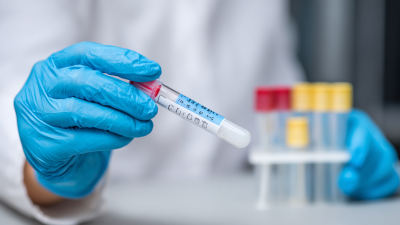
 Monkeypox detection kits are essential tools used in diagnosing infections caused by the monkeypox virus. Understanding how these kits work involves a few key steps. First, the sample collection process begins, usually through lesions, blood, or other bodily fluids from a suspected infection site. Health professionals must ensure that the samples are collected safely and effectively to avoid contamination or invalid results.
Analyzing Trends and Impacts of the Monkeypox Virus Antigen: Insights from Recent Epidemiological Reports and Market Data
The emergence of the monkeypox virus has raised significant public health concerns, particularly in the wake of recent epidemiological reports. Analyzing the trends associated with this virus reveals a complex interplay between zoonotic transmission, human infections, and the socio-economic impacts of outbreaks. Current market data indicates an increasing demand for diagnostic tools, essential for effective monitoring and response to emerging infections.
One critical development is the availability of diagnostic kits designed for the qualitative detection of monkeypox virus antigens from human samples, such as rash fluid and throat swabs. These kits play a vital role in early diagnosis, enabling healthcare professionals to initiate timely interventions and containment measures. The ease of use and reliability of such diagnostic tools contribute significantly to public health strategies aimed at curbing the spread of the virus.
As the epidemiological landscape evolves, understanding the implications of monkeypox and the effectiveness of diagnostic technologies becomes paramount. Continuous analysis of market trends alongside epidemiological data is essential for healthcare systems to adapt and respond to potential outbreaks, ensuring preparedness and resilience in the face of emerging infectious threats.
FAQS
: Detection kits are crucial for the early identification and management of monkeypox cases, which helps control outbreaks and prevent further transmission by allowing quick and accurate diagnoses.
Timely identification of infected individuals through detection kits allows for prompt isolation and treatment, which is essential for reducing the spread of the virus in communities.
Detection kits use polymerase chain reaction (PCR) technology to identify the presence of the monkeypox virus in biological samples, known for its high sensitivity and specificity.
Samples are typically collected from lesions, blood, or other bodily fluids from a suspected infection site. Proper collection techniques are crucial to avoid contamination and ensure valid results.
After collection, samples undergo specific protocols that usually involve viral RNA extraction and analysis using PCR to amplify viral genetic material for detection.
Healthcare providers should follow the guidelines carefully to ensure accurate results and maintain a sterile testing environment to prevent cross-contamination.
A strong testing infrastructure allows for better monitoring of infection patterns, which assists in vaccine distribution and preparedness against monkeypox outbreaks.
Individuals who suspect exposure should seek timely testing, as early detection can significantly improve the management of their condition.
The Centers for Disease Control and Prevention (CDC) highlighted that the timely deployment of testing resources significantly contributed to halting potential outbreaks during the monkeypox crisis in 2022.
The results from analysis help healthcare providers make informed decisions for diagnosing and managing the patient's condition related to potential monkeypox infection.
Conclusion
The article "Understanding Monkeypox Detection Kits: How Do They Work and Their Importance?" provides a comprehensive overview of monkeypox, highlighting its impact on public health. It emphasizes the crucial role of monkeypox detection kits in identifying cases, which is vital for controlling outbreaks. The article discusses two main types of detection kits: PCR tests, which detect the virus's genetic material, and serological tests, which identify antibodies in the blood.
Additionally, the article explains how monkeypox detection kits operate through a detailed step-by-step process. Early detection is underscored as essential for effective outbreak management, while the discussion also addresses challenges in monkeypox detection and potential solutions to enhance accuracy and accessibility. Finally, it touches upon future developments in detection technologies, aiming to improve public health responses to monkeypox outbreaks.
Related Posts
-
5 Key Benefits of Using Influenza A&B Test for Early Diagnosis
-

Ultimate Guide to the H Pylori Antigen Rapid Test Kit: What You Need to Know
-
5 Unforgettable Reasons to Choose the H1N1 Real Time PCR Kit for Accurate Testing
-

Understanding the Efficacy of Rapid Combo Test Dengue: A Comprehensive Review of Recent Clinical Data
-

Unlocking Health Insights through Vitamin D Rapid Test Kit Benefits
-

How to Use the Boiron Test&Care 2 In 1 for Accurate Covid-19 and Flu Detection
