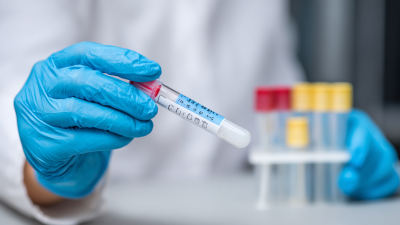
Picking the right Ureaplasma Test Kit is pretty important if you want accurate results and effective treatment. These bacteria can cause a bunch of health issues, especially related to reproductive health, which a lot of folks might not realize. Honestly, a lot of people just don’t pay enough attention to how crucial it is to choose a reliable test kit—and that choice can really impact your health in the long run.
When you're shopping for a Ureaplasma Test Kit, it's a smart move to check out what the manufacturer’s reputation is like. Brands like MyLab Box and Everlywell are pretty well-known for being trustworthy. Their kits are usually straightforward to use, and you don’t have to wait forever to get your results. But here’s the thing— not all kits out there are created equal. Some might give false readings, which could cause unnecessary worry or even delay getting the right treatment.
Take a few minutes to read reviews and see if the kits have the proper certifications. Knowing the differences between options can help you make a smarter choice. Yeah, the variety can be confusing, no doubt. So, try not to rush into it. Taking your time and thinking it through will help you manage your health better and give you some peace of mind. After all, it's better to be safe than sorry, right?
Ureaplasma is a type of bacteria that can reside in the human urogenital tract. It’s linked to a variety of health issues. Often, many individuals are unaware of its potential impact. Regular testing is essential for early detection and treatment. This is particularly important for those experiencing symptoms like pain or unusual discharge.
Why test for Ureaplasma? The bacteria can lead to complications if left untreated. These may include infertility and chronic pelvic pain. Testing can help identify the presence of Ureaplasma. This is crucial for both men and women. Many people overlook this aspect of their sexual health. Awareness is key to taking charge of one’s health.
Choosing the right test kit is vital. Accuracy can vary between kits, impacting diagnosis. It’s advisable to seek reliable sources when selecting a test. Look for kits that have detailed instructions. Check whether they have undergone rigorous testing. Read reviews from other users, but remember that experiences may vary. Making an informed decision can lead to better health outcomes.
When selecting a ureaplasma test kit, it's essential to understand the types available. Generally, there are two main categories: molecular tests and serological tests. Molecular tests, such as PCR, detect genetic material from the bacteria. They provide rapid results and are known for their high accuracy. These tests require specific handling and technical knowledge for optimal performance.
On the other hand, serological tests measure antibodies in the blood. These tests may be easier to conduct, but they can yield false positives or negatives. Their reliability often hinges on the timing of the test relative to infection onset. Some individuals may not have detectable antibodies even if infected. Therefore, interpretation requires careful consideration and possibly consulting a healthcare professional. Both testing methods come with their own strengths and weaknesses.
Ultimately, the choice of test kit should align with the individual's needs and circumstances. Understanding the nuances of each type may bring clarity. Nevertheless, relying solely on test results without professional guidance can be misleading. Engaging with healthcare providers ensures a comprehensive approach to diagnosis and treatment.
This chart compares the accuracy of various Ureaplasma test kits. The PCR test shows the highest accuracy rate among the available options, while culture tests follow at a significant margin.
When selecting a ureaplasma test kit, consider several key factors to ensure accurate results. Accuracy is paramount. Look for kits that validate their results through clinical studies. This validation assures that the test can reliably detect ureaplasma infections.
Another crucial aspect is the ease of use. Some kits require complex procedures, which can increase the chance of user error. Choose a test kit with clear instructions. If possible, opt for kits that provide all necessary materials, including collection swabs and containers. This minimizes confusion and ensures you don't miss vital steps.
Consider the sensitivity and specificity of the test. A highly sensitive test detects even low levels of bacteria. A specific test reduces false positives. Both qualities are essential for accurate diagnosis. Additionally, check the kit's shelf life and storage conditions. Improperly stored tests can lead to inaccurate results. Always keep an eye on expiration dates and environmental requirements. These practical details can significantly influence the reliability of your results.
Choosing the right Ureaplasma test kit is vital for accurate results. The accuracy of test kit results can significantly depend on various factors. Therefore, careful evaluation is essential. Reliability and scientific backing are paramount. Look for test kits with clear documentation of their testing methods. This ensures transparency regarding how results are derived.
Tips: Always check if the test kit has undergone independent validation. Such tests bolster credibility. Confirm that the kit includes detailed instructions. This can enhance your user experience. Some kits may struggle with detecting low levels of Ureaplasma. Awareness of this limitation is crucial when reviewing results.
Moreover, consider reviews from healthcare professionals. Their insights can provide valuable context. Seek feedback on the accuracy observed in real-world settings. Patients often appreciate kits that offer multiple testing options. These can include both home sampling and lab verification, enhancing overall trust. Evaluate your needs before making a decision. A precise test kit can lead to better health outcomes.
Collecting a proper sample is crucial for accurate Ureaplasma testing. Begin by ensuring you have clean, sterile tools. Wash your hands thoroughly before starting. If possible, wear gloves to minimize contamination. A clean collection container is vital. Avoid touching the inner surface of the container. Each step can influence your results significantly.
Timing is also essential. For urine testing, the first morning sample can yield better results. This allows for the highest concentration of bacteria. If collecting a swab, ensure you take the sample from an appropriate site. Follow the specific instructions for the test you are using. Missteps can lead to inaccurate readings.
Handling the sample correctly after collection is equally important. Avoid exposing it to extreme temperatures. If transportation is necessary, use a protective container. Label your sample clearly to avoid mix-ups. Inadequate handling can lead to doubts about the test's reliability. Always reflect on your collection and handling process. Each detail matters greatly for accurate Ureaplasma testing.
Interpreting Ureaplasma test results can be challenging. A positive result often indicates an active infection, but it's essential to consider other factors.
Symptoms such as pain during urination or unusual discharge might support this finding. However, some people carry Ureaplasma without symptoms.
This asymptomatic presence can complicate diagnosis.
Negative results can also lead to questions. It does not always rule out an infection, especially if symptoms persist. Understanding the nuances of test sensitivity is crucial.
False negatives can occur, particularly if the sample was not collected properly. A healthcare professional can help clarify these results.
Engaging in open conversations with a provider can lead to more informed decisions.
It's important to approach results with a critical eye. Many variables can affect the accuracy of the test, including timing and sample quality.
Relying solely on the results without further exploration can be misleading. Patients should advocate for comprehensive evaluations.
Being proactive can lead to better health outcomes. Always seek guidance from professionals for a clearer understanding of your specific situation.
After receiving your Ureaplasma test results, understanding follow-up and treatment options is vital. Discuss your results with a healthcare professional. They can explain what the findings mean for your health. Depending on the outcomes, different courses of action may be recommended. It's essential to address any questions or concerns you have during this conversation.
If treatment is necessary, options may include antibiotics or other medications. The specific choice will depend on your situation. Following the prescribed treatment plan is crucial for effective management of the infection. Monitoring symptoms is also important. If symptoms persist or worsen, contacting your healthcare provider for further evaluation is recommended.
Aftercare doesn’t stop with treatment. Regular follow-up tests may be advised to ensure that the infection has been cleared. Lifestyle changes, such as improved hygiene or safe sexual practices, can also help prevent recurrence. Reflecting on your health habits is crucial. Some might need to reevaluate choices that contribute to recurrent infections. A proactive approach to aftercare can significantly impact your overall well-being.
| Test Kit Type | Sample Type | Accuracy Rate | Time to Results | Follow-Up Recommendations |
|---|---|---|---|---|
| PCR Test Kit | Urine or Swab | 95% | 1-2 Days | Antibiotic therapy evaluation |
| Culture Test Kit | Swab | 90% | 3-7 Days | Potential retesting |
| Antigen Test Kit | Urine | 88% | 20-30 Minutes | Review of symptoms |
| At-Home Test Kit | Urine Sample | 85% | 1-3 Days | Consultation with healthcare provider |
The TP Ab Test Kit, utilizing colloidal gold technology, stands out as a dependable solution for rapid syphilis screening. This kit facilitates the qualitative detection of syphilis antibodies in human whole blood, serum, or plasma, making it a crucial tool for healthcare professionals. Its in vitro application enhances the testing process, providing accurate results that can be instrumental in confirming a diagnosis or assessing the risk of syphilis infection in patients.
In regions with elevated infection rates, the TP Ab Test Kit serves not only as a diagnostic aid for individuals suspected of syphilis but also as an essential component of public health efforts. The ability to swiftly screen individuals allows for timely interventions, reducing the potential spread of syphilis within communities. With the increasing focus on sexual health and prompt disease management, this testing kit plays a vital role in facilitating better health outcomes and ensuring that affected individuals receive the necessary care and support.
: Ureaplasma is a type of bacteria found in the urogenital tract. It can cause various health issues.
Testing helps identify Ureaplasma, preventing complications like infertility and chronic pain.
Look for accurate kits with detailed instructions and reliable sources. Reviews can be helpful but vary.
Accuracy can depend on test kit validation and methods. Low detection levels can be a limitation.
Discuss your results with a healthcare professional. They can guide you on the next steps.
Treatment may include antibiotics, depending on your condition. Follow the prescribed plan closely.
Yes, regular follow-up tests can confirm infection clearance. Ongoing symptom monitoring is important.
Improved hygiene and safe sexual practices can prevent recurrence. Reflecting on health habits is vital.
Seek professional feedback on accuracy. User experiences vary, so consider multiple opinions.
Yes, some choices may contribute to recurrence. Reassessing habits is important for better health.
When it comes to testing for Ureaplasma, choosing the right Ureaplasma Test Kit is crucial for obtaining accurate results. Understanding the significance of Ureaplasma testing is the first step, as it can impact reproductive health and overall well-being. There are various types of test kits available, each designed to suit different testing needs. Factors such as sensitivity, specificity, and ease of use should be considered when selecting a kit to ensure reliable outcomes.
To maximize the effectiveness of a Ureaplasma Test Kit, proper sample collection and handling are essential. Clear user instructions provided with the kit can guide individuals through the process. After testing, interpreting the results can provide insights into health status, but follow-up care is equally important to determine appropriate treatment options. In conclusion, a careful selection and understanding of Ureaplasma Test Kits can significantly aid in managing health concerns effectively.